
Find inspiration and embrace every detail with our master craftsmen,
A Guide to Sleep Positions and Mattress Support
— by Stearns & Foster on Oct 30, 2026
Sleep posture can impact your quality of sleep, breath, the way your body feels, and certain health conditions (“What Is the Best Sleeping Position,” Sleep Foundation, 2025). The best sleeping position is one that maintains comfort while encouraging healthy spinal alignment.
Whether you sleep on your side, back, stomach, or in multiple positions, understanding how sleep posture affects the body may help you curate a more comfortable and restful sleep environment.
Why Does Sleeping Position Matter?
During sleep, your body restores and repairs itself. The intention behind supportive sleep positions is to help preserve neutral posture by keeping the ears, shoulders, and hips in alignment — lessening stress on your joints and ligaments (“The Science of Sleep: A Physical Therapist’s Guide to the Best Sleeping Positions,” Confluent Health, 2026).
In addition to your joints and ligaments, sleep position may affect breath, heartburn, and certain types of pain. But as everyone has unique needs, no single sleep position is right for everyone. Personal comfort, individual health considerations, and existing symptoms may all influence which position feels best (“Choosing the Best Sleep Position”, Johns Hopkins Medicine, 2025; “What Is the Best Sleeping Position,” Sleep Foundation, 2025).
Side Sleeping
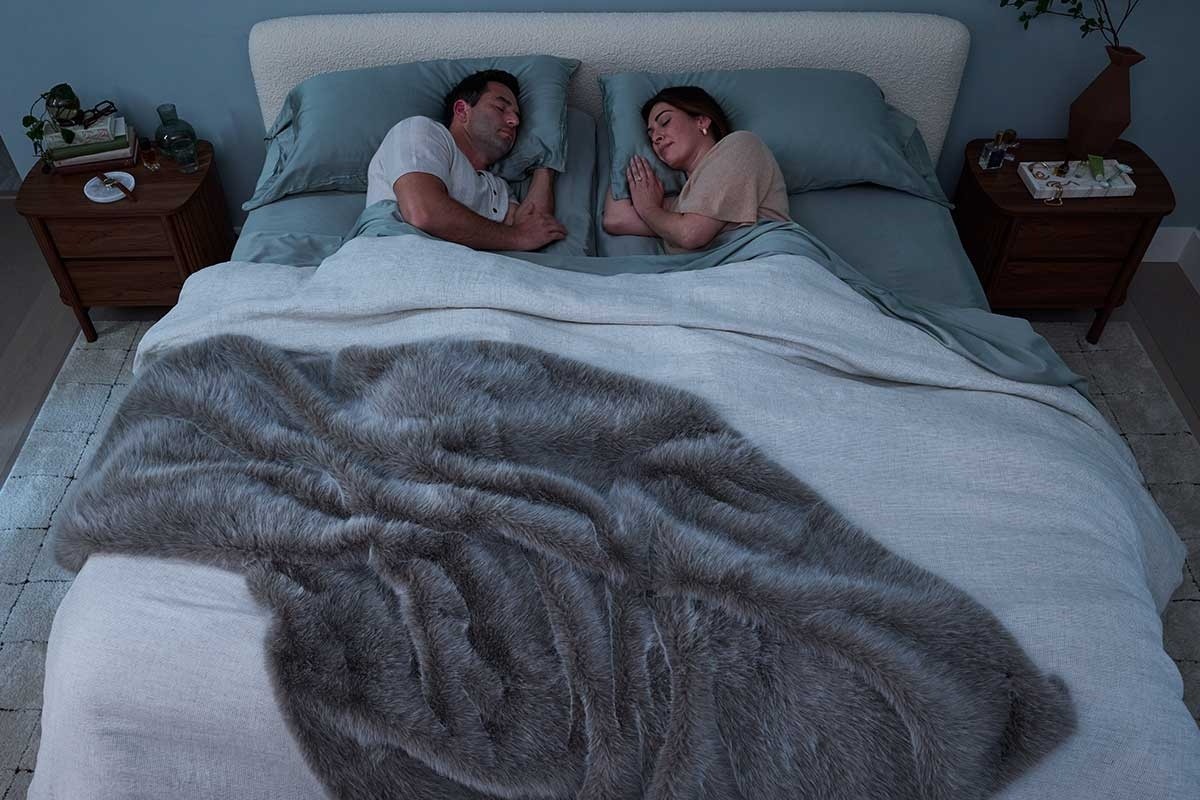
Side sleeping is the most common position among adults, with an estimated 60% resting this way. Because side sleeping may place additional pressure on the shoulders and hips, those who enjoy this position may prefer a plush mattress with enough cushioning to help reduce impact on these areas (“What Is the Best Sleeping Position, Sleep Foundation,” 2025).
When side sleeping, maintaining a neutral line from the neck through the hips may help promote alignment. A properly sized pillow can fill the space between the head and mattress, potentially helping reduce strain in your neck. Placing an additional pillow between the knees may offer additional comfort by limiting pelvic rotation and lessening pressure on the lower back ("The Science of Sleep: A Physical Therapist’s Guide to the Best Sleeping Positions,” Confluent Health, 2026).
What Side Sleepers May Consider in a Mattress:
- Cushioning around the shoulders and hips
- Support that helps maintain neutral spinal alignment
- Ease of movement for sleepers who change positions
- Motion-reducing features for those who share a bed
Back Sleeping
When lying on your back, neutral spine alignment and uniform weight distribution may be easier to maintain (“The Science of Sleep: A Physical Therapist’s Guide to the Best Sleeping Positions,” Confluent Health, 2026). Experts used to recommend back sleeping for most; however, continued research shows that this position may not be appropriate for everyone. For some people, back sleeping may contribute to snoring, obstructive sleep apnea symptoms, or acid reflux. Those with back or neck pain may also find another position ideal (“Choosing the Best Sleep Position, 2025").
Some back sleepers have success placing a thin pillow under the knees or lower back to help reduce stress in the lumbar area and support the natural curve of the spine (“What Is the Best Sleeping Position,” Sleep Foundation, 2025). Johns Hopkins Medicine also notes that a bolster or pillow supporting the legs may help ease lower-back discomfort.
What Back Sleepers May Consider in a Mattress:
- Support for the lower back
- Even distribution of body weight
- A balance of cushioning and support
- A comfort level suited to personal preferences
Stomach Sleeping
Stomach sleeping is the least popular sleep position and is often not recommended as strain on the neck and lower back is common. Because stomach sleepers generally turn their heads to one side, this position may move the neck out of alignment with the rest of the spine.
People who prefer stomach sleeping may consider using an exceptionally thin pillow — or no pillow at all — beneath their head in an effort to reduce the upward angle of the neck. Placing a thin or flat pillow beneath the hips or pelvis may also help limit excessive arching in the lower back “What Is the Best Sleeping Position,” Sleep Foundation, 2025; “The Science of Sleep: A Physical Therapist’s Guide to the Best Sleeping Positions,” Confluent Health, 2026).
What Stomach Sleepers May Consider in a Mattress:
- Support that helps limit excessive sinking around the hips
- A comfort level that supports a more neutral posture
- A thin or low-profile head pillow
- Additional support beneath the hips or pelvis, when comfortable
How Your Mattress Supports Your Sleep Position
Your bed and sleep position often collaborate to influence comfort and alignment. A mattress that can't provide appropriate support may create complications for maintaining neutral sleep posture. Research summarized by Confluent Health shows that medium-firm mattresses may offer a balance of support and pressure relief for people experiencing back pain (“The Science of Sleep: A Physical Therapist’s Guide to the Best Sleeping Positions,” 2026).
When selecting a mattress, consider your primary sleep position alongside your health needs and personal comfort preferences.
- Side sleepers may prefer additional cushioning around the shoulders and hips.
- Back sleepers may prioritize even weight distribution and lower-back support.
- Stomach sleepers may benefit from support that limits excessive sinking around the hips.
- Combination sleepers may wish to consider how comfortably they can change positions on the mattress.
As mattress comfort and support preferences vary by individual, please keep in mind that these are general shopping considerations and not clinical requirements. If you have specific concerns, please speak to your doctor for advice tailored to your unique needs.
The IntelliCoil® and Customized Support
The IntelliCoil® is the only continuous coil-within-coil design on the market. Created to provide a larger range of response, the coil can gently cushion lighter areas while supporting heavier parts of your body. This provides customized comfort across your bed as your mattress offers deeper support where pressure increases — regardless of your preferred sleep position.
A Note from Stearns & Foster®: We love sharing tips to help you achieve better sleep. While we strive to provide objective, industry-standard insights, we also design and manufacture products to address specific sleep challenges.
This content is for informational or general educational purposes only and does not constitute individualized advice. It is not intended to replace professional medical evaluation, diagnosis, or treatment. Always seek the advice of your physician for questions you may have regarding your sleep quality and overall health.
Frequently Asked Questions
What is the best sleep position to help reduce snoring?
Sleeping on your side or sleeping on your back with slight elevation is often recommended to help positional snoring; however, some conditions may need the advice of a doctor. Always use your best judgement and get treatment from a qualified professional when necessary.
How can I make side sleeping more comfortable?
Finding a mattress that offers exceptional pressure relief may help make side sleeping more comfortable. You can also try placing a pillow between your legs to reduce strain on your lower back.
How can I make back sleeping more comfortable?
Finding a mattress that offers unparalleled support may help make back sleeping more comfortable. A pillow behind your knees may also help limit strain on your lower back.
Sources
“What Is the Best Sleeping Position?” July 25, 2025. Published by Sleep Foundation. Read the article. Full URL: https://www.sleepfoundation.org/sleeping-positions Sleep Foundation discusses common sleep positions and choices that may help relieve back pain and sleep apnea symptoms.
“The Science of Sleep: A Physical Therapist’s Guide to the Best Sleeping Positions.” March 2, 2026. Published by Confluent Health. Read the article. Full URL: https://confluenthealth.com/resources/guide-to-the-best-sleeping-positions Confluent Health discusses different sleep positions, who they’re good for, and tips to improve sleep.
“Choosing the Best Sleep Position.” October 6, 2025. Published by Johns Hopkins Medicine. Read the article. Full URL: https://www.hopkinsmedicine.org/health/wellness-and-prevention/choosing-the-best-sleep-position Johns Hopkins discusses picking a sleep position based on health concerns and comfort.


